




How Digital Learning and Skill Development Are Shaping the Future

Education in India is undergoing a major transformation in 2026, driven by technology, accessibility, and a stronger focus on practical skills. With growing digital infrastructure and policy support from the Ministry of Education, learning is no longer limited to physical classrooms. Students across cities and villages are gaining access to online courses, smart classrooms, and career-focused training programs.
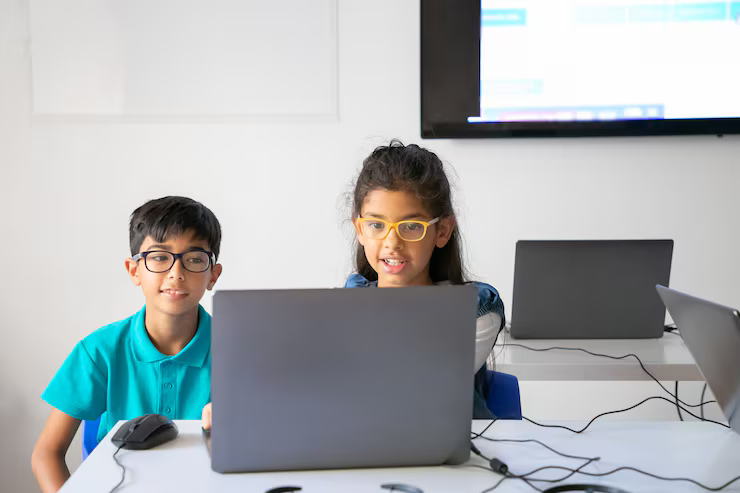
One of the biggest shifts is the rise of blended learning. Schools and colleges now combine traditional teaching with digital platforms, allowing students to revise lessons online, attend virtual doubt sessions, and access recorded lectures anytime. This flexible model is helping learners study at their own pace while improving overall understanding.
Online Education Expands Opportunities
Affordable internet and smartphones have opened doors for millions of students. From competitive exam preparation to professional certifications, online education platforms are helping young people build job-ready skills without relocating to metro cities. Rural students, in particular, are benefiting from virtual classrooms that connect them with experienced teachers nationwide.
Skill-Based Learning Takes Center Stage
Alongside academic education, there is a growing emphasis on employability. Short-term courses in coding, digital marketing, data analysis, healthcare support, and vocational trades are gaining popularity. These programs focus on real-world applications, preparing students for emerging careers while supporting India’s growing startup and MSME ecosystem.
Smart Schools and Digital Campuses
Many institutions are adopting smart boards, learning management systems, and digital attendance tools. Colleges are moving toward paperless admissions, online examinations, and digital certificates—reducing administrative delays and improving transparency. Libraries are also evolving, offering e-books and online research resources alongside physical collections.
Higher Education Goes Global
Indian universities are increasingly collaborating with international institutions for exchange programs, joint research, and online degrees. This global exposure helps students gain broader perspectives while keeping education affordable at home. Virtual internships and remote projects are also enabling learners to work with global companies directly from India.
Inclusive Education for All
Government initiatives are focusing on scholarships, digital access, and special learning support for economically weaker sections. Students from remote areas can now apply online for admissions, grants, and exams—saving time and travel costs. Assistive technologies are also improving access for learners with disabilities.
Teachers Embrace Technology
Educators are upgrading their skills through digital training programs, learning how to use virtual tools, interactive content, and AI-powered assessments. This shift is enhancing classroom engagement and helping teachers track student progress more effectively.
Challenges and the Road Ahead
Despite rapid progress, challenges such as digital literacy gaps, uneven connectivity, and exam pressure still exist. However, awareness campaigns, infrastructure investment, and curriculum reforms are steadily addressing these issues. The next phase of education reform is expected to focus on personalized learning, AI-based evaluation, and stronger industry-academia collaboration.