





From Reactive Care to a Proactive Lifestyle

Health awareness in India is entering a new phase in 2026, with families shifting from reactive treatment to proactive wellness. Guided by programs and outreach from the Ministry of Health and Family Welfare, people are paying closer attention to daily habits—sleep, movement, nutrition, and stress management—understanding that small, consistent actions create long-term health.
Early Detection Becomes the New Normal
Routine screenings for blood pressure, glucose, and cholesterol are now part of many households’ annual calendars. Early detection allows timely lifestyle changes and medical guidance, reducing the risk of complications. Local clinics and mobile health units are expanding access to affordable checkups, especially in semi-urban and rural areas.
Everyday Movement, Real Results
Fitness no longer means only gym memberships. Brisk walks, yoga at home, cycling, and short mobility breaks during work hours are helping people stay active. Even modest activity—20 to 30 minutes daily—improves energy, posture, and heart health, while lowering stress levels.
Smarter Eating, Stronger Immunity
Diet awareness is rising alongside fitness. Families are choosing seasonal fruits, vegetables, whole grains, and home-cooked meals more often. Hydration, portion control, and mindful eating are replacing crash diets. These practical choices support immunity and help prevent lifestyle conditions like obesity and type-2 diabetes.
Mental Well-Being Takes Center Stage
Conversations around burnout, anxiety, and work-life balance are becoming mainstream. Meditation, breathwork, and guided relaxation are gaining popularity, while tele-counseling makes professional support easier to access. Many workplaces now include wellness sessions and flexible policies to protect mental health.
Digital Health at Your Fingertips
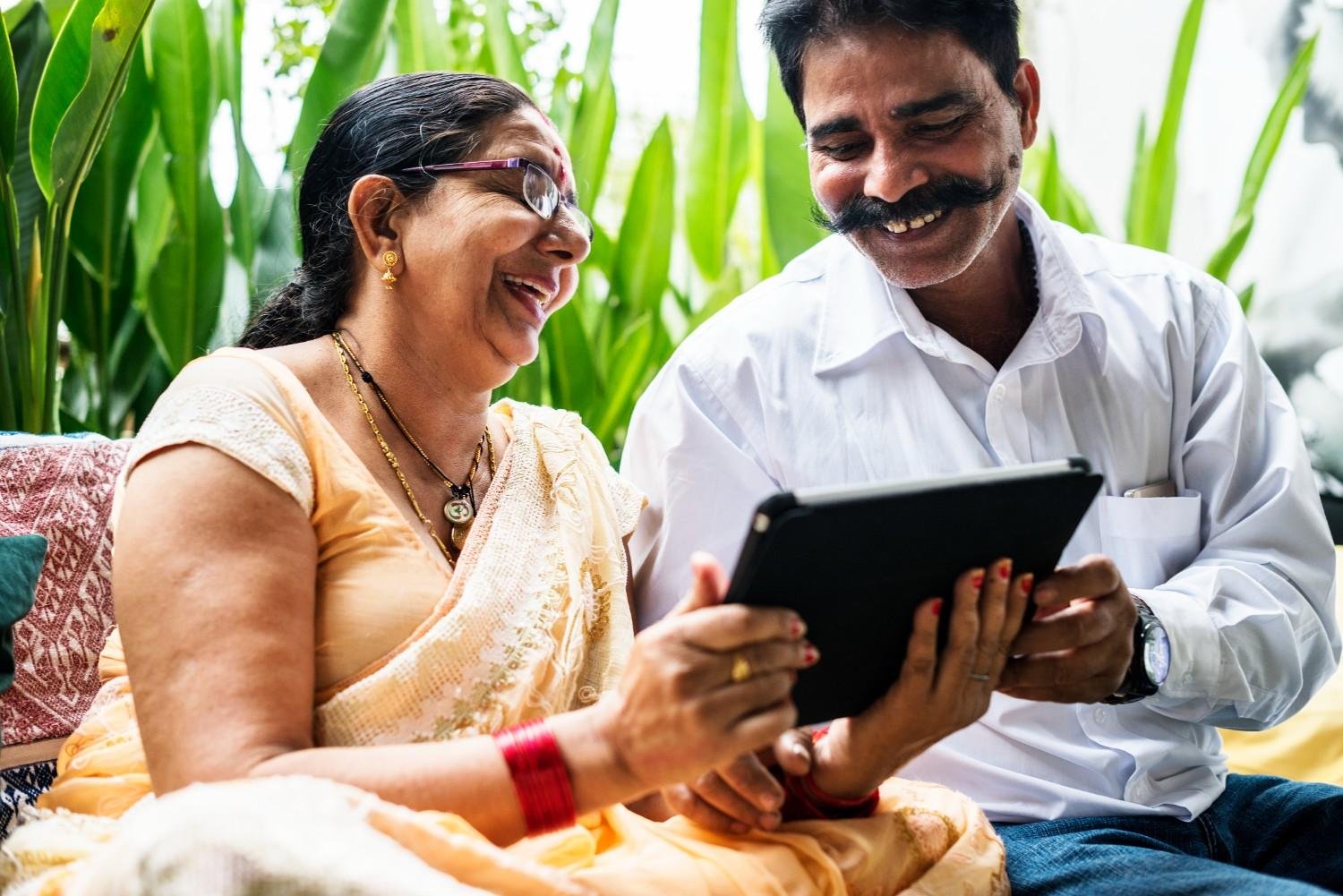
Telemedicine, e-prescriptions, fitness trackers, and reminder apps are simplifying care. People can consult doctors remotely, track steps and sleep, and receive medication alerts—saving time while improving adherence. Digital records also help clinicians provide faster, more personalized guidance.
Community Programs Create Lasting Impact
Health camps, nutrition workshops, and hygiene drives are strengthening awareness at the grassroots. These initiatives educate families on sanitation, maternal care, and child nutrition—building healthier communities from the ground up. Volunteers and frontline workers play a crucial role in reaching first-time beneficiaries.