






From Daily Spending to Long-Term Wealth Building
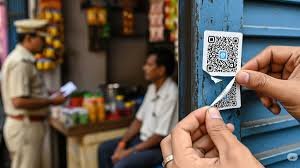
In 2026, personal and business finance in India is moving toward a more structured and informed approach. With guidance and policy support from the Ministry of Finance, citizens are learning to manage money beyond day-to-day expenses—focusing on savings discipline, smart investing, and financial protection.
Smarter Spending Starts at Home
Households are adopting simple money habits such as tracking expenses, setting monthly limits, and separating needs from wants. Mobile apps and digital bank statements make it easier to review spending patterns. This visibility helps families cut unnecessary costs and redirect funds toward savings goals like education, travel, or emergencies.
Savings Become Automatic
A growing number of people now automate transfers to savings accounts or recurring investments right after salary credit. This “pay yourself first” approach builds consistency and removes the temptation to overspend. Emergency funds covering three to six months of expenses are becoming a priority, offering peace of mind during unexpected situations.
Investing with Clear Goals
Investment choices are shifting from speculation to purpose-driven planning. Instead of chasing short-term returns, individuals are aligning portfolios with life goals—home ownership, children’s education, and retirement. Mutual fund SIPs, diversified portfolios, and long-term asset allocation are gaining popularity as awareness improves.
Insurance Awareness Expands
Health and life insurance are increasingly viewed as essentials rather than optional add-ons. Families are reassessing coverage to match rising healthcare costs and income needs. This focus on protection ensures that medical emergencies or income disruptions do not derail long-term financial plans.
MSMEs Strengthen Cash Flow
Small businesses are benefiting from digital invoicing, real-time payments, and faster access to credit. Clear transaction records help entrepreneurs forecast demand, manage inventory, and negotiate better terms with suppliers. As MSMEs formalize operations, they gain access to broader financial services—supporting sustainable growth.
Financial Inclusion Reaches Deeper
Banking and advisory services are expanding through mobile units, local agents, and digital onboarding. First-time account holders are learning basic concepts like interest, compounding, and credit scores. Direct transfers and digital wallets reduce friction, ensuring benefits reach recipients quickly and transparently.
Market Participation Gets Mature
Retail investors are becoming more disciplined—diversifying across assets, reviewing risk, and avoiding impulsive trades. Educational content in regional languages is helping newcomers understand fundamentals, while experienced investors focus on rebalancing portfolios rather than reacting to headlines.
Linking Money with Well-Being
Financial stability is increasingly tied to mental wellness. Clear goals, insurance cover, and emergency savings reduce anxiety and improve decision-making. Many workplaces now offer financial literacy sessions alongside wellness programs, recognizing that confident employees are more productive and engaged.
Challenges and the Path Forward
Cybersecurity awareness, personalized guidance, and regional access remain areas to strengthen. The next phase of finance in India is expected to emphasize fraud prevention, AI-powered advisory tools, and deeper literacy—making money management simpler for everyone.