




From Iconic Landmarks to Hidden Gems, a New Way to Explore
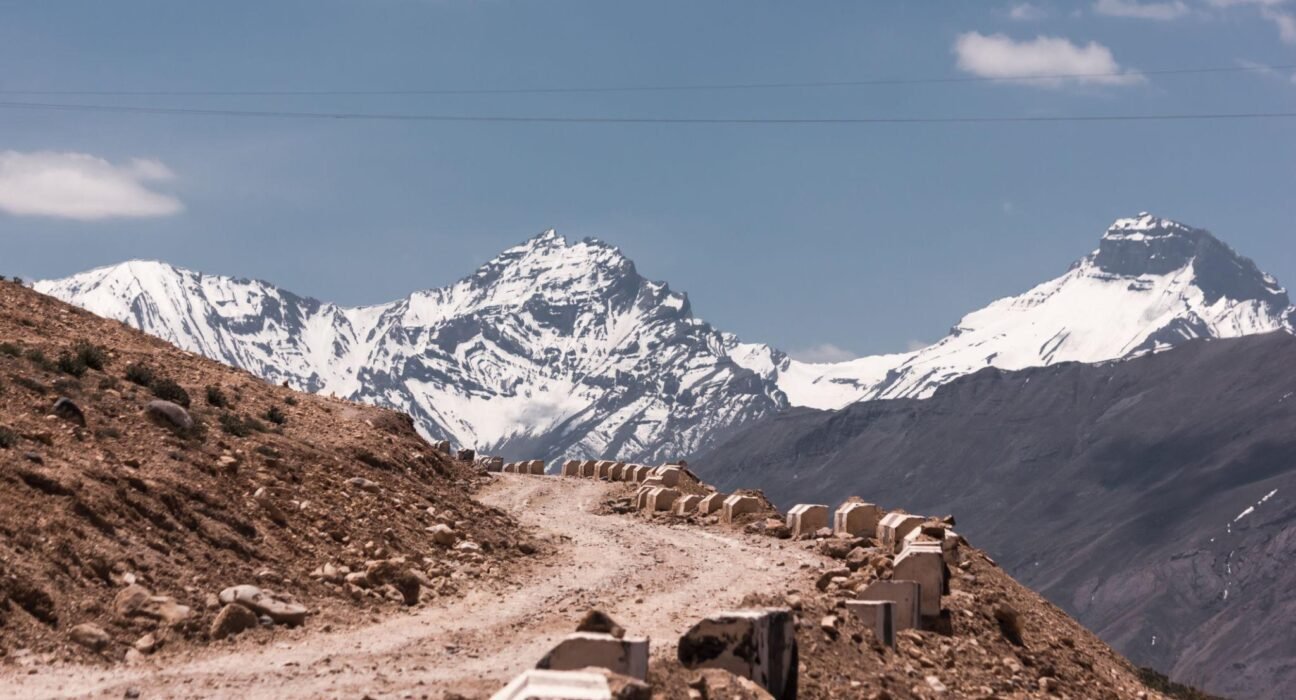
Travel across India in 2026 is becoming more personal, slower, and experience-driven. With improved connectivity and destination development supported by the Ministry of Tourism, travelers are now moving beyond crowded hotspots to discover lesser-known regions that offer culture, nature, and authentic local life.
Offbeat Destinations Take the Spotlight
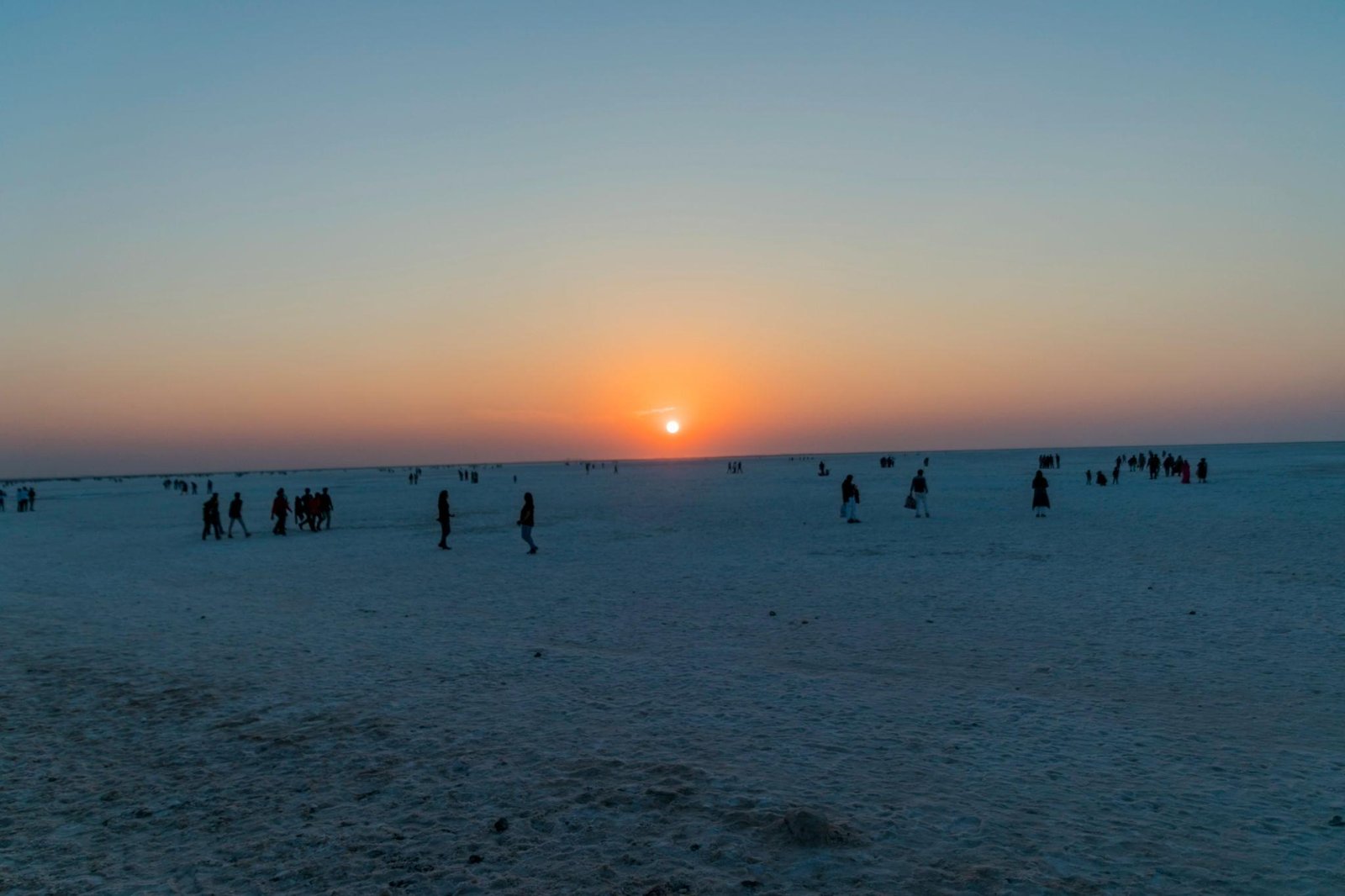
While famous cities continue to attract visitors, many travelers are choosing quieter places—mountain villages, forest retreats, river towns, and coastal hamlets. These destinations offer peaceful stays, local food, and meaningful interactions with communities. This shift is helping distribute tourism income more evenly and creating opportunities for homestays, guides, and small cafés in emerging regions.
Slow Travel Replaces Rush Itineraries
Instead of ticking off multiple places in a short time, people are spending longer in one destination. Remote work options have made “workations” common, allowing professionals to balance travel with productivity. Longer stays support local economies and give visitors time to understand traditions, crafts, and everyday life.
Local Culture Becomes the Main Attraction
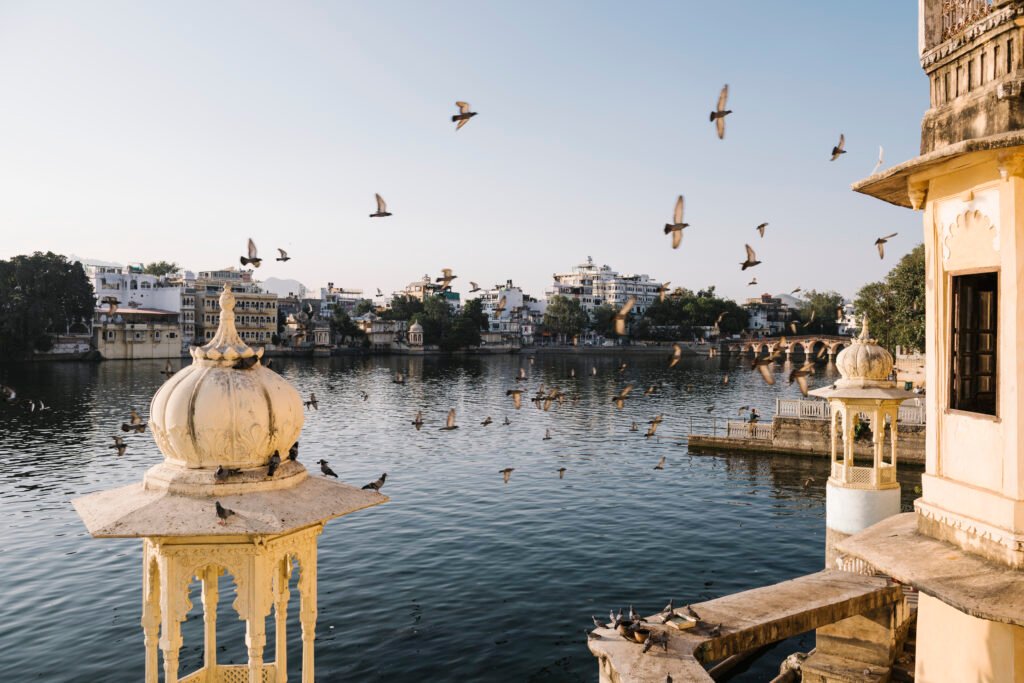
Travelers today want stories, not just selfies. Heritage walks, cooking sessions, folk performances, and artisan workshops are gaining popularity. These experiences preserve regional traditions while giving visitors a deeper connection to place. For communities, it means sustainable income rooted in culture rather than mass tourism.
Nature and Wellness Lead Travel Choices
Fresh air, open landscapes, and wellness escapes are major motivators. Hill trails, river camps, yoga retreats, and eco-resorts are seeing higher demand as families prioritize health and calm. Responsible tourism practices—plastic-free stays, nature conservation, and low-impact travel—are also becoming part of mainstream planning.
Digital Tools Make Journeys Easier
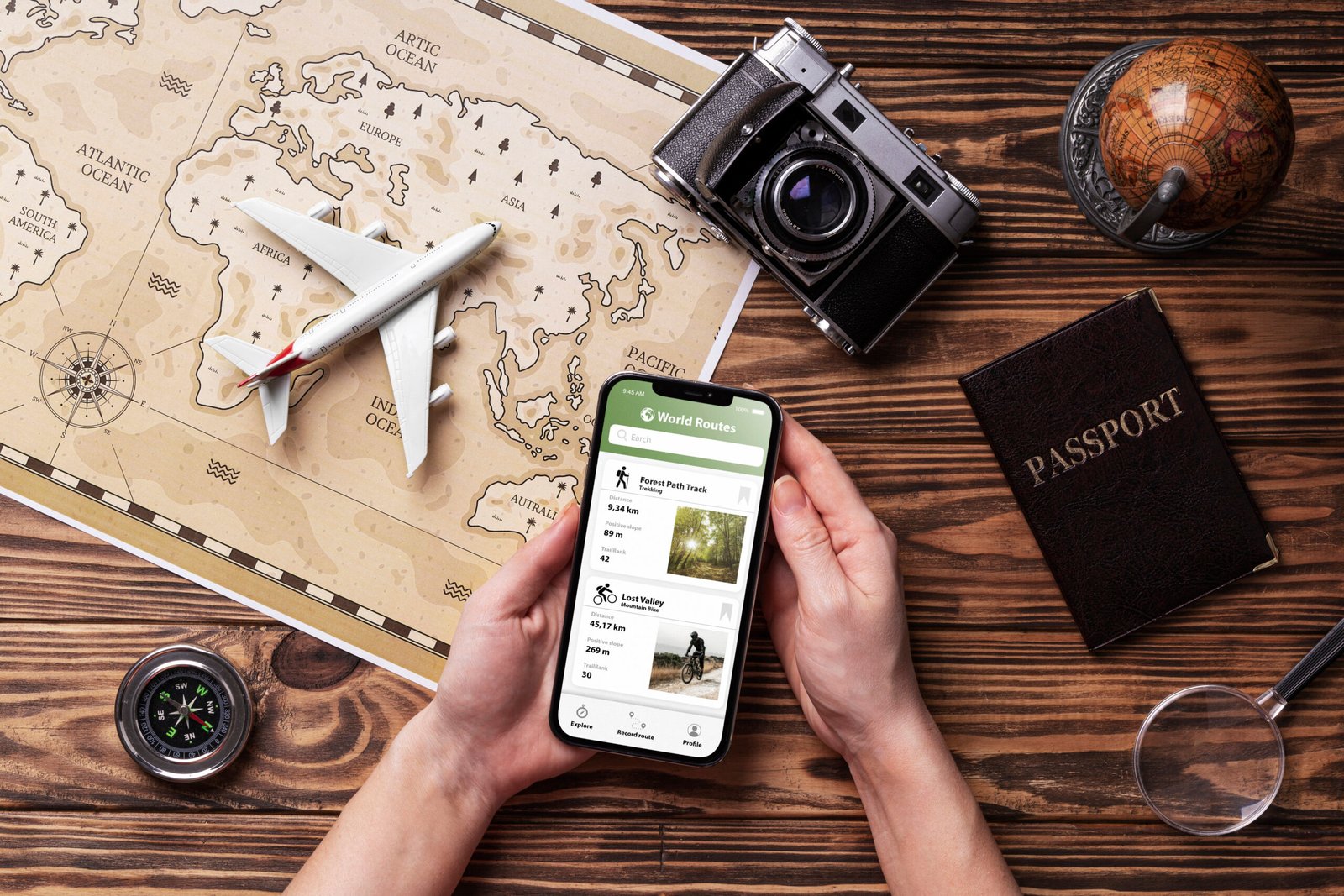
From bookings and navigation to reviews and payments, travel is now powered by smartphones. E-tickets, QR menus, and digital maps save time and reduce friction. Small hotels and operators benefit from online visibility, reaching guests nationwide without large marketing budgets.
Budget-Friendly Options Expand Access
Affordable transport, hostels, and curated packages are helping students and first-time explorers travel more often. Weekend getaways and short road trips are growing, making tourism accessible beyond annual vacations. This flexibility is bringing new audiences into the travel ecosystem.
Tourism Creates Jobs Locally
Every trip supports drivers, cooks, guides, shopkeepers, and artisans. As tourism spreads to new regions, it generates livelihoods across hospitality, transport, handicrafts, and food services—making travel a powerful engine for inclusive growth.
Challenges and the Way Forward
Popular destinations still face crowding and waste management issues. The focus in 2026 is on sustainable tourism—promoting lesser-known circuits, improving infrastructure, and encouraging responsible traveler behavior to protect fragile ecosystems.