




Discovering Culture, Nature, and New Experiences Across the Country
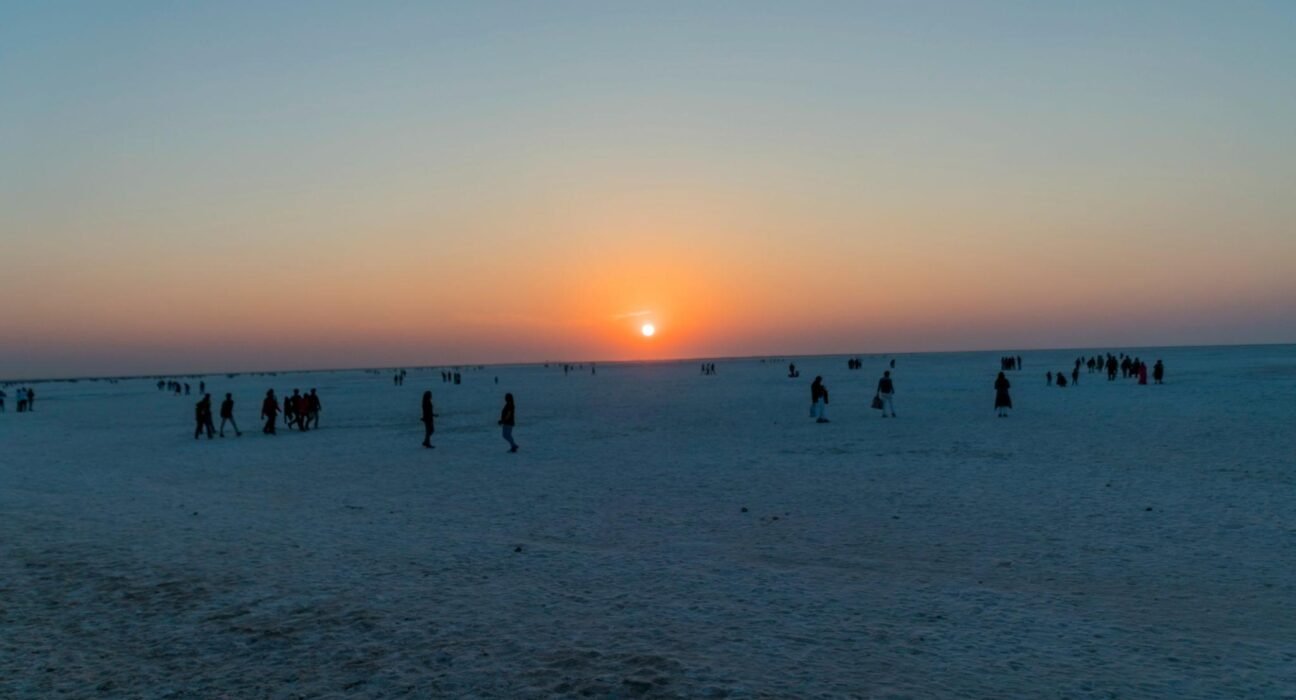
Travel in India is entering an exciting phase in 2026, with more people exploring destinations beyond traditional tourist circuits. Backed by initiatives from the Ministry of Tourism, domestic tourism is growing rapidly as improved connectivity, digital bookings, and community-based experiences make travel easier and more meaningful.
From heritage cities and mountain escapes to coastal retreats and spiritual hubs, India offers unmatched diversity in landscapes and cultures. What’s changing today is how people travel—shorter trips, personalized itineraries, and a stronger focus on local experiences are redefining journeys across the country.
Rise of Experiential Travel
Modern travelers are seeking more than sightseeing. Homestays, village tours, food trails, and guided heritage walks are gaining popularity. Visitors want to understand local traditions, taste regional cuisines, and interact with communities. This shift is helping small towns and rural areas benefit directly from tourism, creating income opportunities for local families.
Digital Planning Makes Travel Simple
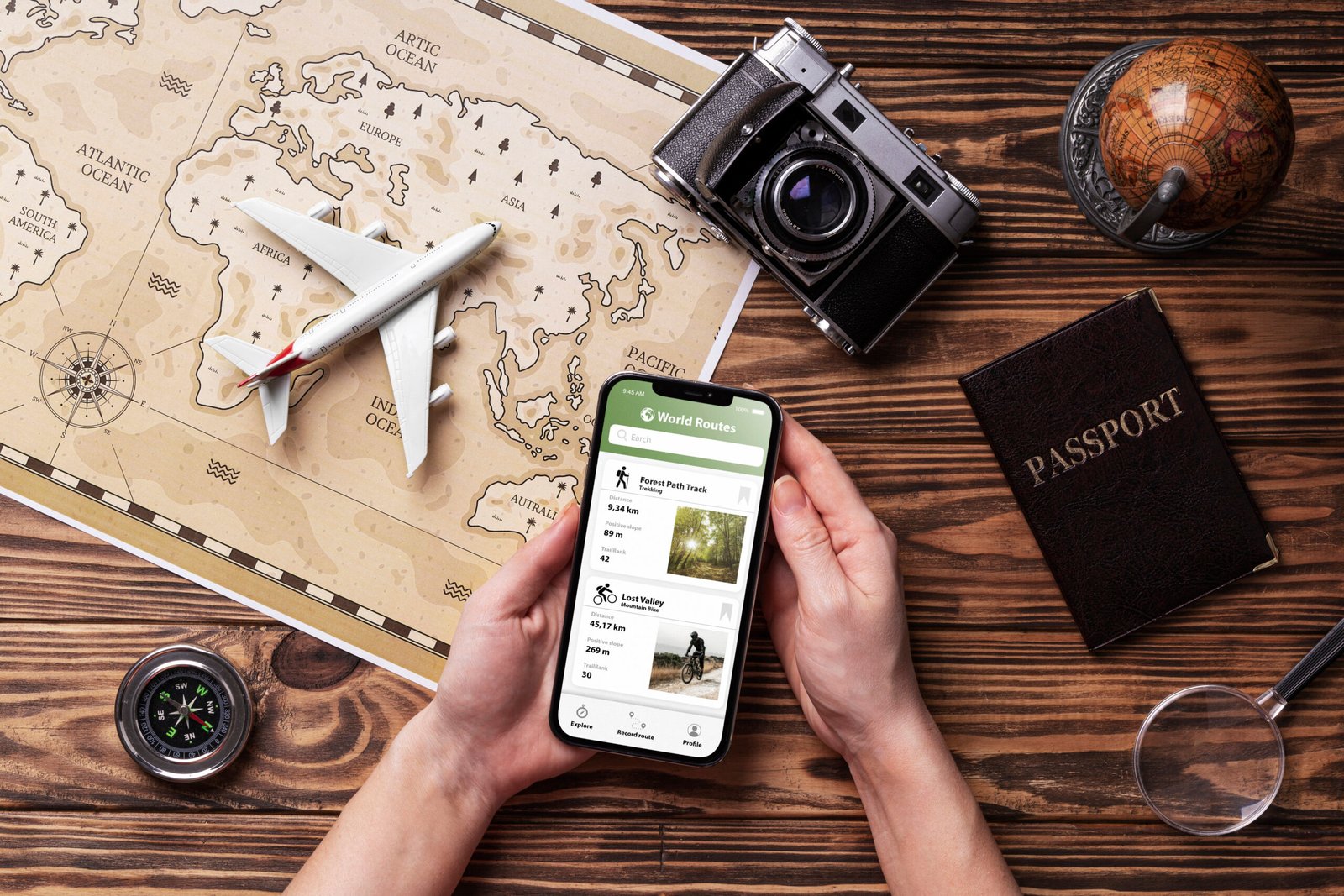
Mobile apps and online platforms now handle everything—from transport and hotels to attractions and reviews. Digital payments, e-tickets, and navigation tools have reduced friction, allowing travelers to plan flexible trips with confidence. For small businesses, online visibility means reaching guests from across the country without large marketing budgets.
Wellness and Nature Getaways on the Rise
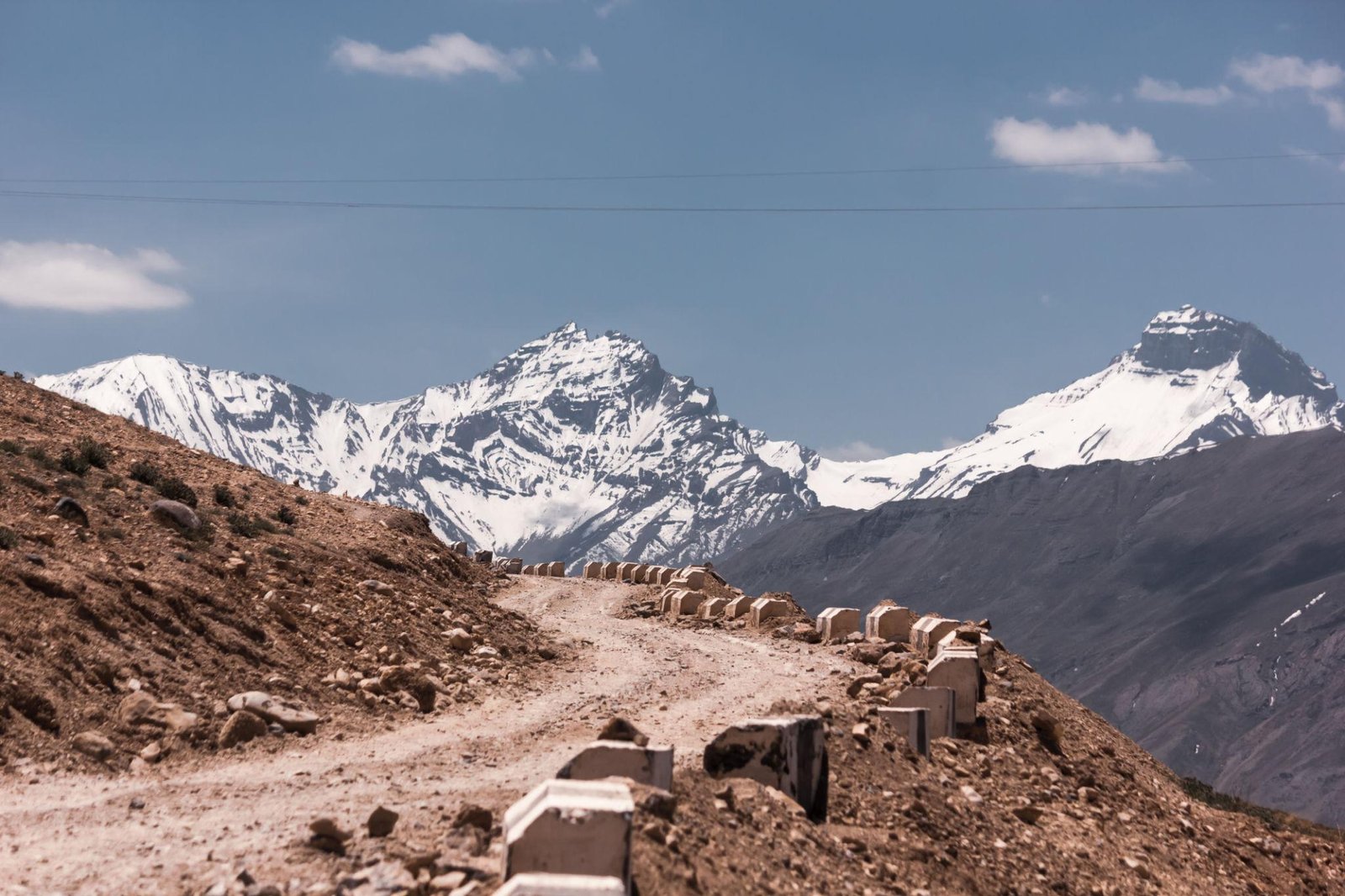
As awareness around health grows, wellness tourism is attracting attention. Yoga retreats, forest stays, and eco-resorts offer peaceful alternatives to crowded cities. Hill stations and national parks are seeing higher footfall as families prioritize fresh air and outdoor activities. Responsible travel practices—like plastic-free stays and nature conservation—are also becoming part of mainstream tourism.
Heritage Cities See Renewed Interest
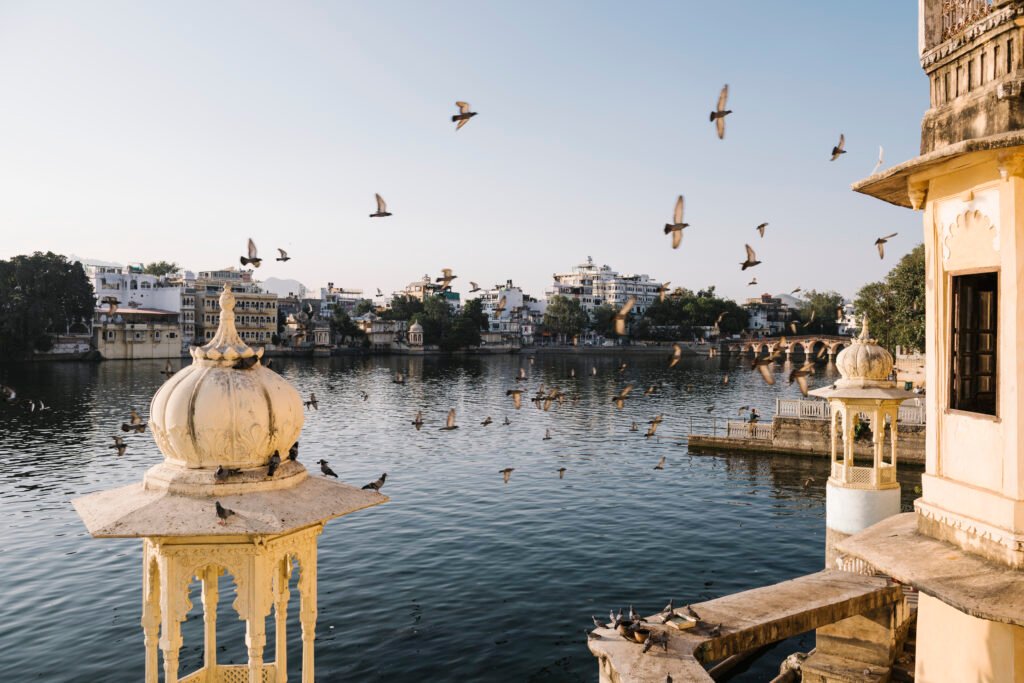
India’s historic destinations are being revitalized with better infrastructure, guided tours, and cultural events. Travelers are rediscovering architecture, museums, and local crafts while supporting artisans and small vendors. Night tourism, light shows, and curated city walks are adding fresh dimensions to classic locations.
Budget-Friendly Travel Expands Access
Affordable transport options, budget accommodations, and curated packages are making travel accessible to students, young professionals, and first-time explorers. Weekend trips and workations allow people to combine leisure with remote work, extending stays while maintaining productivity.
Jobs and Local Economies Benefit
Tourism continues to generate employment across hospitality, transport, guiding services, handicrafts, and food businesses. Each visitor supports multiple livelihoods—drivers, shopkeepers, cooks, and tour operators—making travel a powerful engine for inclusive growth.
Challenges and What Lies Ahead
Overcrowding in popular spots, waste management, and seasonal pressure on resources remain challenges. The focus in 2026 is on sustainable tourism—spreading visitors across lesser-known destinations, improving waste systems, and encouraging responsible behavior among travelers.