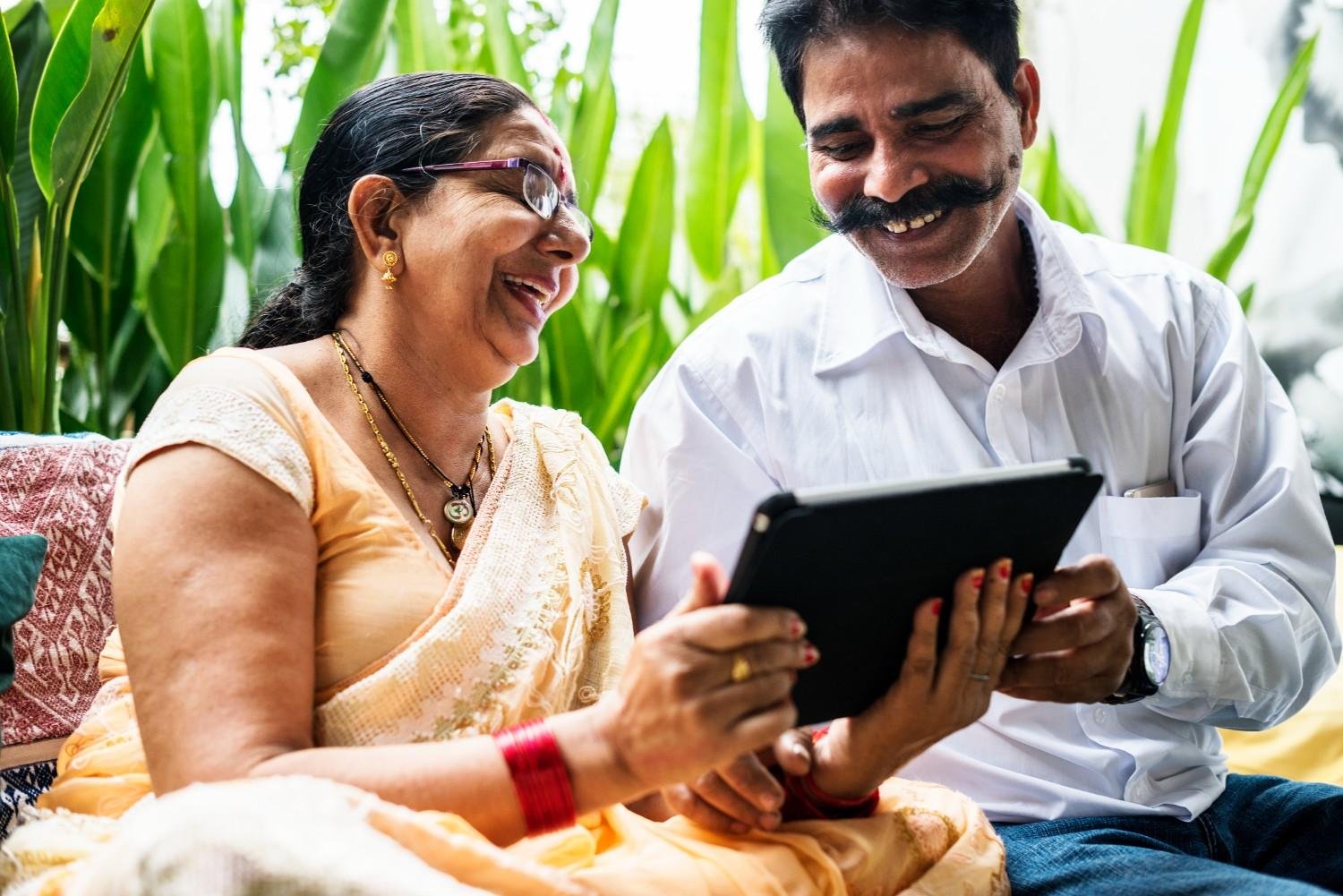






Small Daily Habits That Create a Healthier Future

Health awareness in India is gaining strong momentum in 2026 as more people focus on preventive care, balanced lifestyles, and mental well-being. Supported by initiatives from the Ministry of Health and Family Welfare, citizens are becoming increasingly conscious about fitness, nutrition, and regular health checkups. The shift is clear: instead of treating illness only after it appears, families are now prioritizing everyday habits that protect long-term health.
Preventive Care Takes Priority
One of the biggest changes is the growing importance of prevention. Routine screenings for blood pressure, blood sugar, and cholesterol are becoming common, helping people detect issues early. Simple steps like annual health checkups, vaccinations, and timely consultations are reducing the risk of serious complications. Many clinics and community centers now offer affordable preventive packages, making healthcare more accessible.
Fitness Becomes Part of Daily Life
From morning walks in parks to yoga sessions at home, physical activity is slowly turning into a daily routine for many Indians. Office workers are adopting short movement breaks, while families are choosing outdoor activities over screen time. Even 20–30 minutes of exercise a day is proving effective in improving energy levels, managing weight, and reducing stress.
Nutrition Awareness on the Rise
Diet choices are also evolving. More households are including fresh vegetables, fruits, whole grains, and home-cooked meals in their routines. People are reading food labels, cutting back on excess sugar, and staying hydrated throughout the day. Awareness around portion control and mindful eating is helping prevent lifestyle-related conditions such as obesity and diabetes.
Mental Health Gets the Attention It Deserves
Along with physical fitness, mental well-being is finally receiving proper recognition. Conversations around stress, anxiety, and work-life balance are becoming more open. Meditation apps, online counseling, and community support groups are helping individuals manage emotional health. Employers are also introducing wellness programs to support productivity and happiness at work.
Digital Health Makes Care More Accessible
Technology is playing a key role in expanding health awareness. Telemedicine platforms allow patients to consult doctors remotely, saving time and travel. Fitness trackers, health apps, and online reports help people monitor progress and stay motivated. Digital reminders for medicines and appointments are improving treatment adherence, especially for elderly patients.
Community Programs Strengthen Outreach
Health camps, awareness drives, and local workshops are educating people about hygiene, nutrition, and disease prevention. These programs are particularly impactful in rural and semi-urban areas, where access to information was once limited. Volunteers and healthcare workers are spreading awareness about clean water, sanitation, and maternal care—creating healthier communities from the ground up.
Workplace Wellness Grows
Companies are increasingly investing in employee health through fitness challenges, ergonomic workspaces, and regular medical checkups. A healthier workforce leads to fewer sick days, better morale, and higher productivity. This trend highlights how health awareness benefits not just individuals, but businesses and the economy as well.
Challenges That Still Remain
Despite progress, gaps in awareness and access still exist. Sedentary lifestyles, irregular sleep, and processed foods continue to pose risks. However, ongoing education campaigns and digital outreach are helping bridge these gaps. The next phase of health awareness will likely focus on personalized care, AI-driven diagnostics, and stronger primary healthcare networks.