




Building Future Careers Through Digital Learning and Practical Skills

India’s education system in 2026 is moving toward a more flexible, skill-oriented, and technology-powered model. Backed by reforms and digital infrastructure from the Ministry of Education, learning today goes far beyond textbooks. Students are gaining access to online resources, smart classrooms, and career-focused programs that prepare them for real-world opportunities.
A Shift From Rote Learning to Real Skills
One of the biggest changes is the growing focus on practical education. Schools and colleges are introducing project-based learning, internships, and industry-aligned courses. Instead of memorizing content, students are encouraged to solve problems, work in teams, and build portfolios. This approach helps learners develop communication, critical thinking, and adaptability—skills that employers value highly.
Digital Classrooms Reach Every Corner
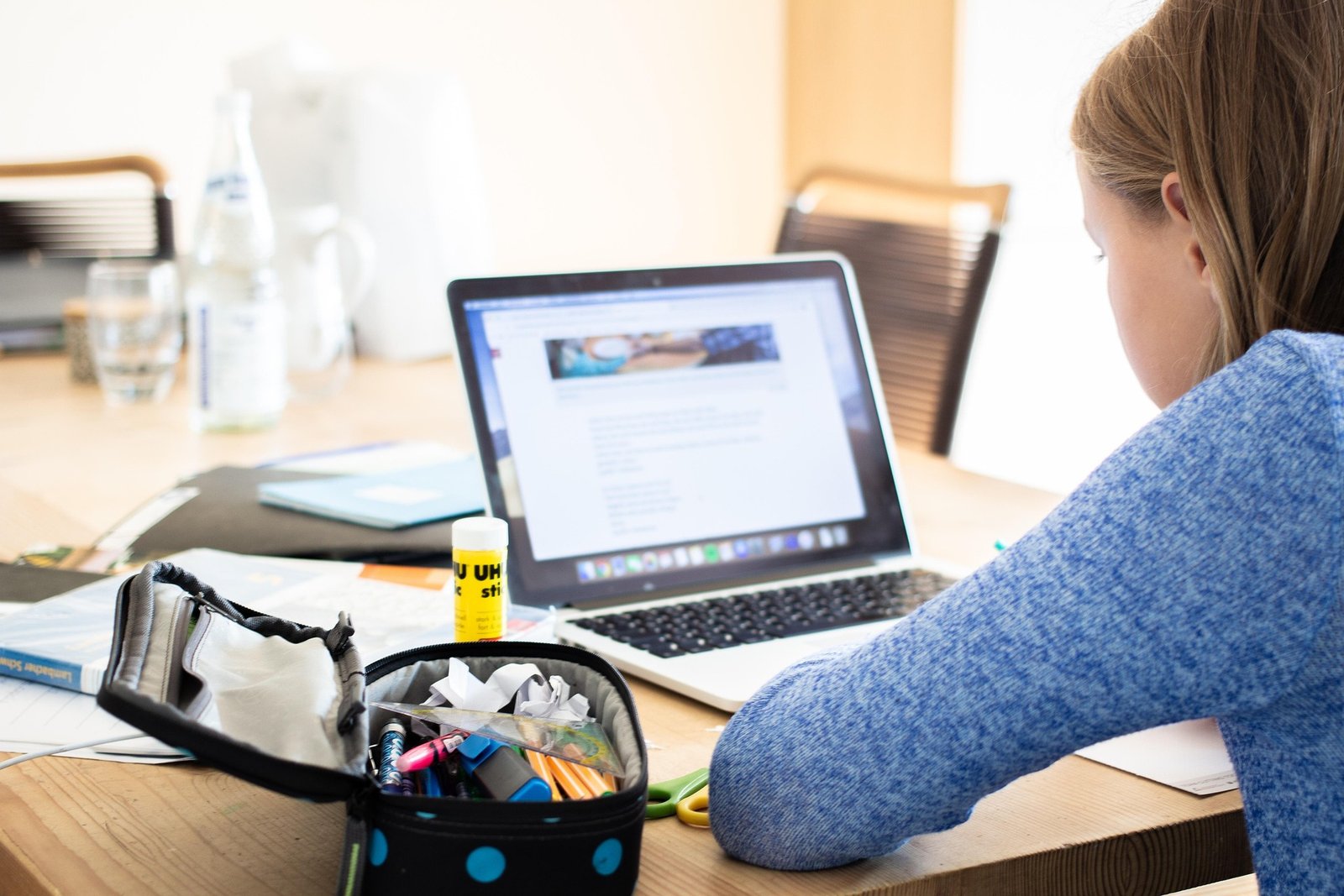
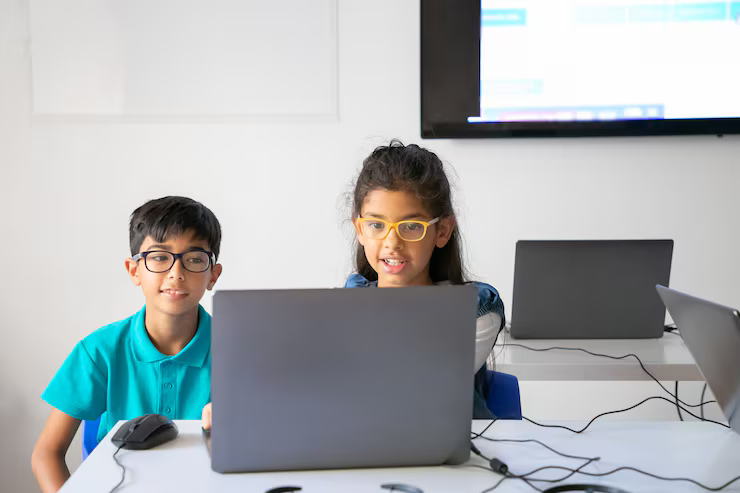
With affordable data and smartphones, digital classrooms are now accessible even in smaller towns and rural areas. Recorded lectures, virtual labs, and live doubt sessions allow students to learn at their own pace. This has reduced dependence on physical coaching centers and made quality education available to families who earlier had limited options.
Career-Focused Courses Gain Popularity
Short-term certification programs in areas like coding, digital marketing, data analytics, healthcare support, and vocational trades are seeing strong demand. These courses are designed to be job-ready, enabling students to enter the workforce faster or upgrade their existing skills. Many learners now combine traditional degrees with online certifications to stay competitive.
Colleges Go Paperless and Smarter
Higher education institutions are adopting learning management systems, online admissions, digital exams, and e-certificates. Libraries are expanding their digital collections, giving students instant access to research papers and e-books. Administrative processes that once took weeks can now be completed in days, improving transparency and efficiency.
Teachers Upgrade With Technology
Educators are also adapting to this new environment. Training programs help teachers use smart boards, interactive content, and AI-based assessments. Digital tools make it easier to track student progress and personalize learning paths. As teaching becomes more data-driven, classrooms are turning into more engaging and inclusive spaces.
Global Exposure From Home
Indian students are increasingly participating in online exchange programs, virtual internships, and collaborative projects with international institutions. This global exposure builds confidence and broadens perspectives—without the high costs of studying abroad. Remote work opportunities further allow students to gain practical experience while continuing their education.
Making Education More Inclusive
Scholarships, online application portals, and digital document systems are helping students from economically weaker sections access higher education. Assistive technologies are improving learning for students with disabilities, while regional-language content is expanding reach. These efforts aim to ensure that no learner is left behind in the digital transition.